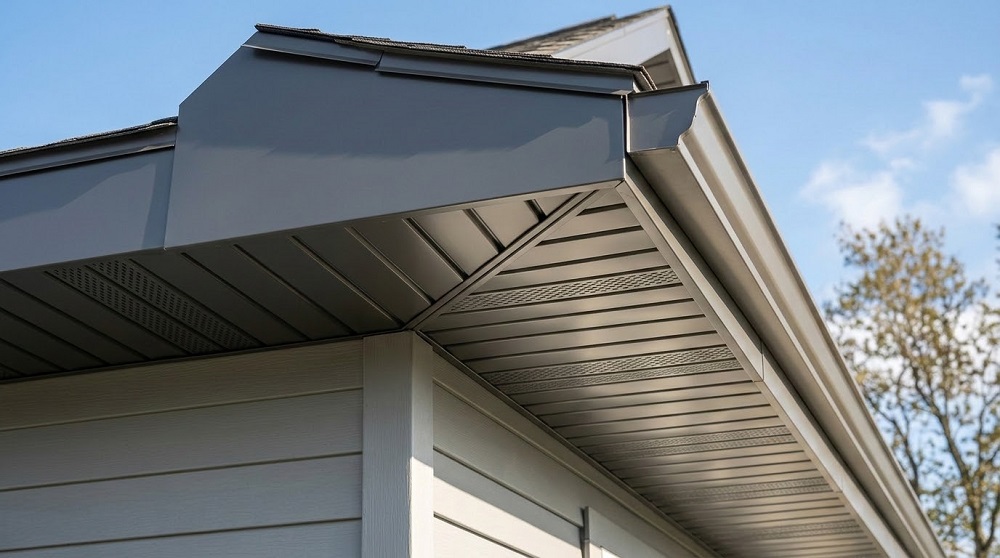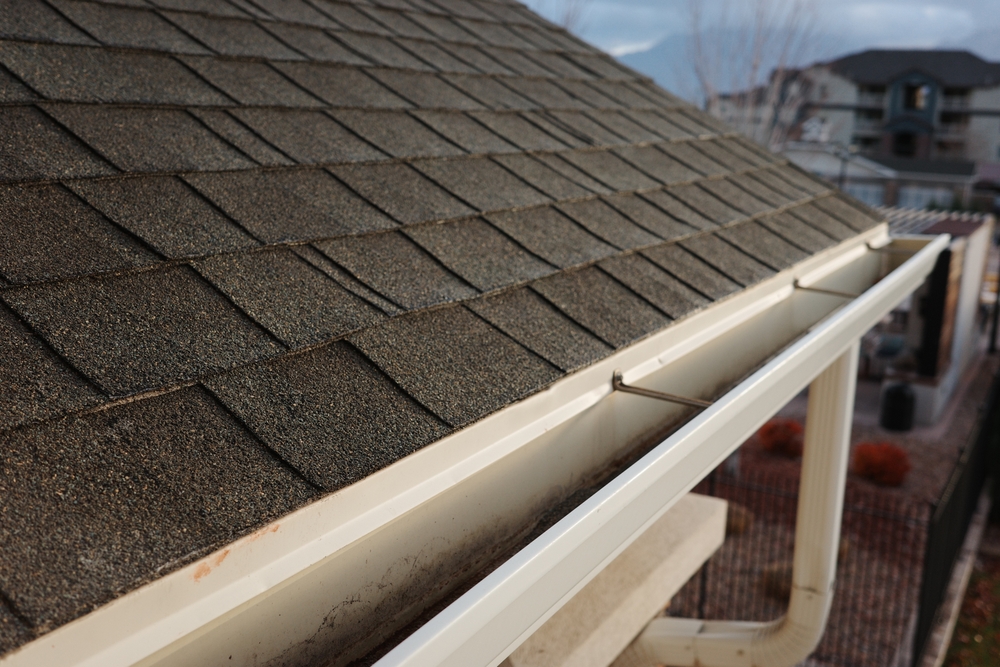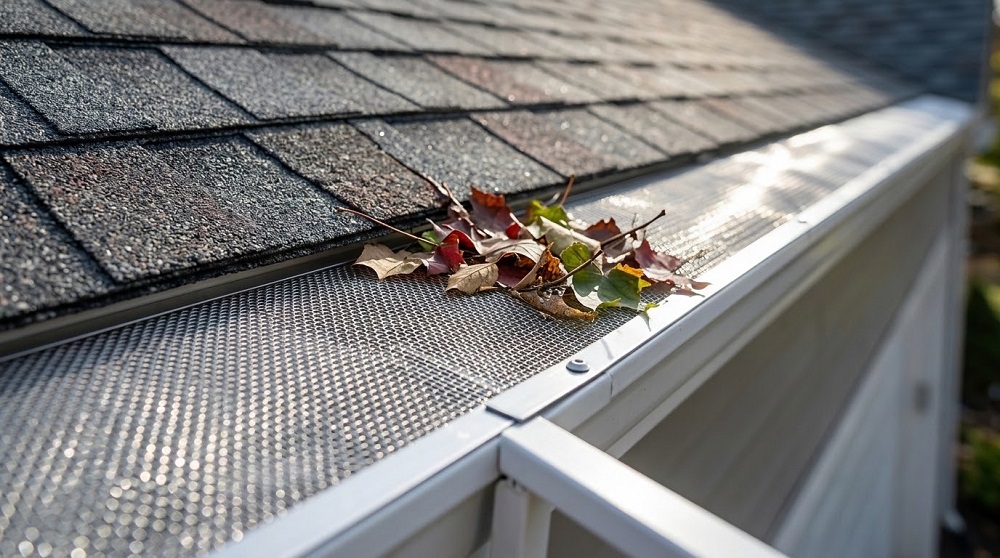
Behind all great gutter systems are the guards that protect them. Gutter guards are protective covers or inserts installed over gutters to help keep debris out of the system. They help maintain proper water flow and minimize the risk of clogs since they help reduce the amount of material that can accumulate inside.
For homeowners along Utah’s Wasatch Front, choosing the right gutter guard is imperative. This area of the country is no stranger to extreme weather that can put extra stress on your gutter systems. Gutter Works helps homeowners throughout the Wasatch Front improve drainage and protect their homes with high-quality gutter solutions. Explore five common types of gutter guards and the benefits each offers.
Table of Contents
- Learn why gutter guards improve drainage and reduce routine gutter maintenance.
- Explore the five most common gutter guard types and how each one works.
- Compare the advantages and drawbacks of mesh, screen, brush, reverse-curve, and foam gutter guards.
- Discover how gutter guards help prevent clogs caused by leaves, debris, and roof runoff.
- Find out which gutter guard types are best suited for homes along Utah’s Wasatch Front.
Why Gutter Guards Improve Drainage and Reduce Maintenance
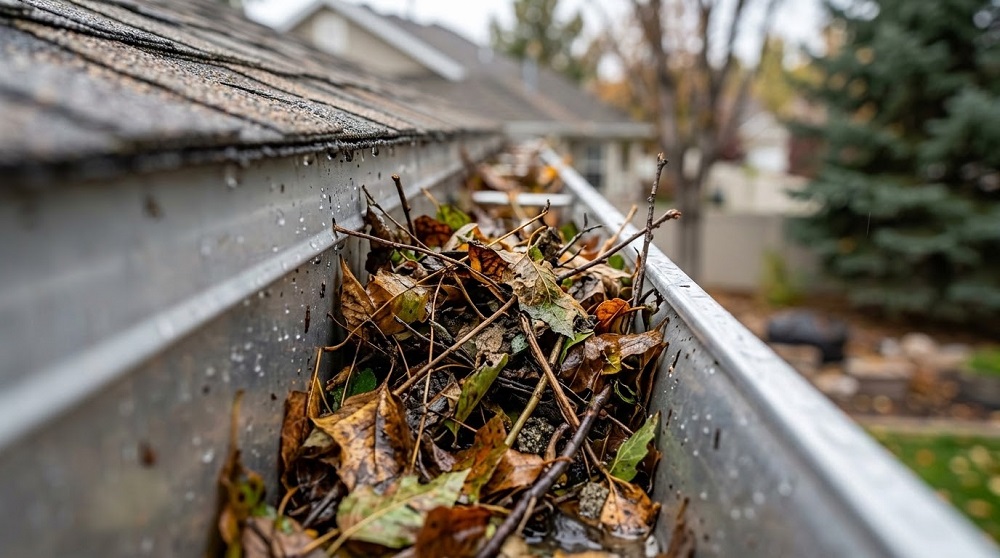
The primary purpose of your gutter system is for rainwater to be directed away from your home and landscaping, which ultimately protects your foundations. Twigs, leaves, pine needles, and other debris can collect inside the gutters and reduce performance. Your gutter system might not last as long either.
Gutter guards help solve this problem by covering the gutter opening while still allowing water to enter. By blocking most debris from getting inside, they help maintain consistent water flow during rainstorms. Better water flow ensures your gutters are working optimally.
Maintenance is also another thing to consider when you install a gutter system. Without protection, gutters often need to be cleaned several times each year to remove accumulated debris. Gutter guards limit buildup, which means less frequent cleaning and fewer maintenance tasks for homeowners. The Wasatch Front is known for having many falling leaves and heavy storms, making reliable gutter guards in Salt Lake City an essential investment for preventing water damage and maintaining system longevity.
Understanding the Most Popular Gutter Guard Designs
No matter what kind of gutter guard you choose, they all have one thing in common: to keep debris out while allowing water to flow through the gutter system. The best choice often depends on your budget, maintenance preferences, and the types of debris commonly found around your home
Below are some of the most common types:
- Mesh gutter guards: Feature a fine metal mesh that blocks small debris while allowing water to pass through.
- Screen gutter guards: Use larger openings than mesh guards and are designed to keep out leaves and larger debris.
- Brush gutter guards: Consist of bristle-filled inserts that sit inside the gutter and catch debris before it settles.
- Reverse-curve gutter guards: Direct water into the gutter while encouraging leaves and debris to fall to the ground.
- Foam gutter guards: Use porous foam inserts that let water flow through while preventing debris from entering the gutter.
Comparing the Pros and Cons of Different Gutter Guard Types
Different gutter guards have advantages and drawbacks. Consider the following table to see how they compare with each other.
| Gutter Guard Type | Durability | Cost | Maintenance Needs |
| Mesh | High, often made from aluminum or steel | Higher upfront cost | Low, blocks most debris |
| Screen | Moderate to high | Moderate | Occasional cleaning needed |
| Brush | Moderate | Low to moderate | Higher, debris can get trapped in bristles |
| Reverse-Curve | High | Higher due to professional installation | Low, though surface cleaning may be needed |
| Foam | Low to moderate | Lower upfront cost | Moderate to high, foam can deteriorate over time |
Choosing the Right Gutter Guards for Utah’s Wasatch Front Climate
Homes along the Wasatch Front experience a mix of weather conditions throughout the year. There is heavy rainfall in the spring and snowmelt during the winter, which can put extra strain on your gutters. High-quality gutter guards are a crucial component of home protection.
Mesh and screen gutter guards are often effective options for areas with frequent leaf buildup because they help block debris while allowing water to flow through. For homes in areas with heavier rainfall, a durable system that handles larger volumes of water without overflowing is essential. Foam gutter guards are a more budget-friendly option, but they can need more maintenance.
Protect Your Gutters With Help From Gutter Works
Ready to improve your gutter performance and reduce seasonal maintenance? Gutter Works provides gutter solutions designed to help homeowners throughout the Wasatch Front protect their homes from drainage issues caused by debris and weather. Contact Gutter Works today to discuss the right gutter guard option for your home.
Frequently Asked Questions About Gutter Guards
Do gutter guards need to be cleaned?
Gutter guards still need occasional maintenance. Small debris can collect on top of the guards over time and may need to be removed to keep water flowing properly.
Can gutter guards help protect my home from water damage?
Gutter guards help keep gutters clear so rainwater can move through the system more effectively. This can reduce the risk of overflowing gutters and water issues around your home.
Are gutter guards worth the investment?
They are a valuable upgrade because they reduce the need for frequent gutter cleaning and help maintain better gutter performance throughout the year.