Utah’s changing weather can put plenty of stress on your property, especially your gutter system. Heavy rain, strong winds, hail, and winter conditions are all things homeowners have to worry about throughout the year. Damage isn’t always easy to spot from the ground. Taking time for a post-storm gutter inspection can help Utah homeowners catch problems early. This is imperative because the weather changes on a dime. A quick look at your gutters and downspouts can reveal issues that may affect how well water moves away from your home.
Gutter Works in Salt Lake City can help keep gutter systems working properly, even after severe weather. Whether a storm has caused visible damage or you want peace of mind, knowing what to look for can help you determine when your gutters may need professional attention. Taking proactive steps can help safeguard your investment.
Key Takeaways
- Learn how to inspect your gutters for signs of storm-related damage.
- Understand why downspouts and connections matter for proper drainage.
- Recognize when your gutters need attention after severe weather.
- Know when to call a professional if damage is suspected.
Post-Storm Gutter Inspection 101
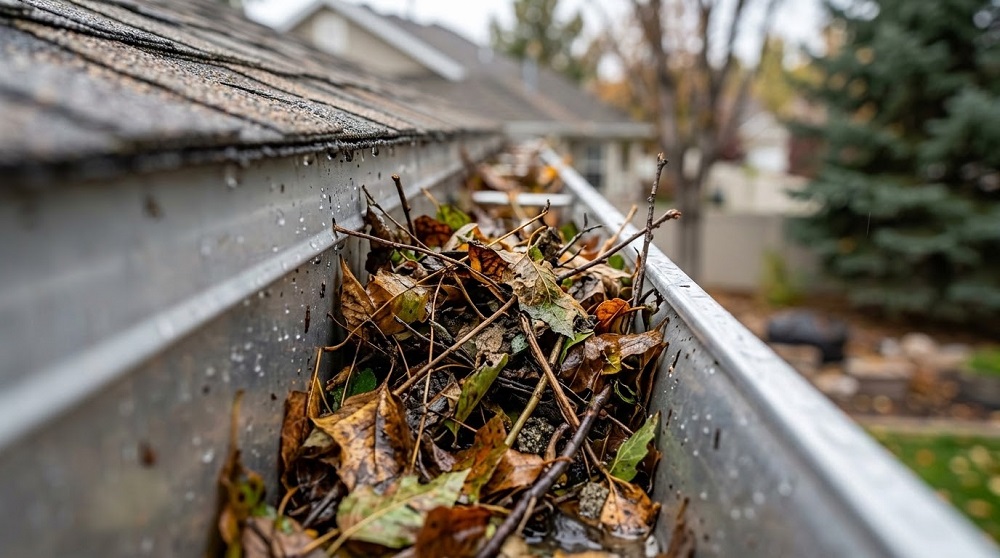
Gutter inspection should be top of mind after a storm in Utah. Start by looking for debris that may have collected inside the gutters. Leaves, twigs, thick branches, and other debris can create blockages that keep rainwater from flowing properly and to the right location.
You’ll also want to look for dents, bent sections, or other physical damage. High winds can pull on gutters, while falling branches can hit them hard enough to cause visible damage. Even without “visible damage” to your eyes, there still can be an issue.
When are storm-related issues common? They are more noticeable during Utah’s spring and summer months. This is the time of year when thunderstorms can bring unpredictable weather in the form of heavy wind and rain. Fall can also create gutter trouble as leaves build up and storms move through the area. Winter is also a unique challenge when snow and ice can add extra weight to your gutters.
Safety should also be your priority, no matter how much damage has occurred. Never climb onto a wet or damaged roof, and be careful when using a ladder. If there are downed power lines or visible hazards, stay away and call a professional. You don’t need to put yourself at risk to check your gutters. If you notice major damage or aren’t comfortable inspecting the system yourself, it’s best to have an expert take a closer look.
Keep Water Moving Where It Should
A proper post-storm gutter inspection doesn’t only mean you’re looking inside the gutters. You also need to check the parts that help move and direct water away from your home. A great place to start is the downspouts. Make sure they are clear and securely connected to your gutter system. A blocked or loose downspout can cause water to back up and spill over the sides which can cause additional foundation issues.
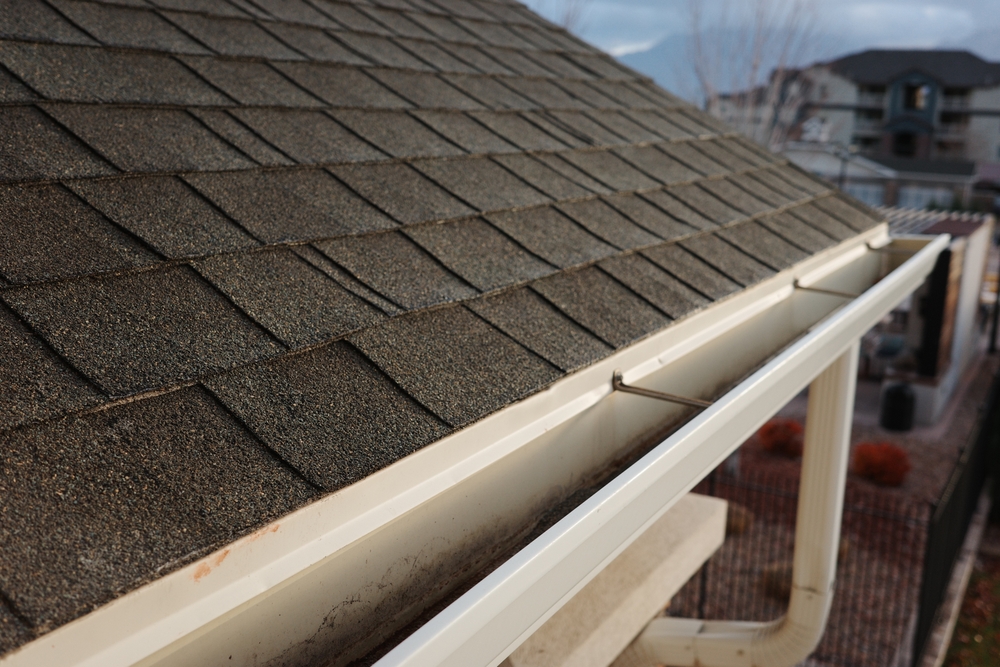
Next, take a look at the fasteners. These hold your gutters in place. Strong Utah winds and falling branches can loosen these points. As a result, there can be sections of the gutter sagging or pulling away from the home. Connections between gutter sections should also be secure. Any gaps or separations indicate an issue that should be handled immediately.
There are signs to pay attention to that may indicate your gutter system isn’t handling water correctly. These include:
- Water is backing up inside the gutter
- Loose or separated connections
- A downspout that is not directing water away
Even minor problems become bigger issues during the next rainstorm. Checking these areas after a storm can help you catch drainage problems before they lead to water damage around your Utah property.
When Gutter Problems Become Serious
Although you should address all gutter issues, certain signs indicate a much larger problem. During a post-storm gutter inspection, it’s critical to watch for overflowing from areas where it normally should not. This can point to a blockage or a gutter that is out of position.
Pooling water around your home is something that needs to be addressed immediately. When water collects near the foundation instead of draining away, it can become very expensive quite quickly. You should also look closely at the position of your gutters. Sections that are sagging or pulling away from the roofline won’t be able to handle water correctly, especially during heavier storms.
A summary of more serious gutter problems includes:
| Warning Sign | Why It Matters |
| Water overflowing | May indicate a drainage problem |
| Pooling near the foundation | Can contribute to water damage |
| Sagging gutters | May prevent proper water flow |
| Gutters pulling away | Could indicate storm-related damage |
If you notice these more serious signs, don’t wait for another storm to test your system. Contact Gutter Works right away to get a solution.
Know When to Call Our Gutter Professionals in Salt Lake City
If your gutters show signs of storm damage, don’t risk climbing onto a wet roof or unstable ladder. Schedule a professional inspection to determine what needs attention. Gutter Works offers gutter repair in Sugarhouse and the surrounding areas, along with gutter cleaning services that include an inspection for potential issues. Getting professional help can give you peace of mind and help keep your gutters working properly before the next Utah storm.